


Colombia is a country of incredible diversity. From towering mountains and Caribbean beaches to colorful colonial towns and lush coffee plantations, every region offers something unique. That diversity extends far beyond its landscapes—it lives on every plate.
Colombian food is a reflection of the country’s rich cultural heritage, combining Indigenous, Spanish, and African influences into recipes that have been passed down for generations. Every dish tells a story shaped by geography, local traditions, and fresh regional ingredients.
For many visitors, discovering Colombian cuisine becomes one of the highlights of their journey. It’s about much more than eating well. Food provides an authentic way to understand the country’s culture, meet local people, and experience everyday life.
Whether you’re enjoying a hearty Bandeja Paisa in Medellín, tasting freshly fried empanadas from a Bogotá street vendor, or sharing a traditional sancocho beside the Guatapé reservoir, every meal offers another reason to fall in love with Colombia.
This guide introduces the must-try Colombian dishes every traveler should experience at least once.
Traditional Colombian Dishes
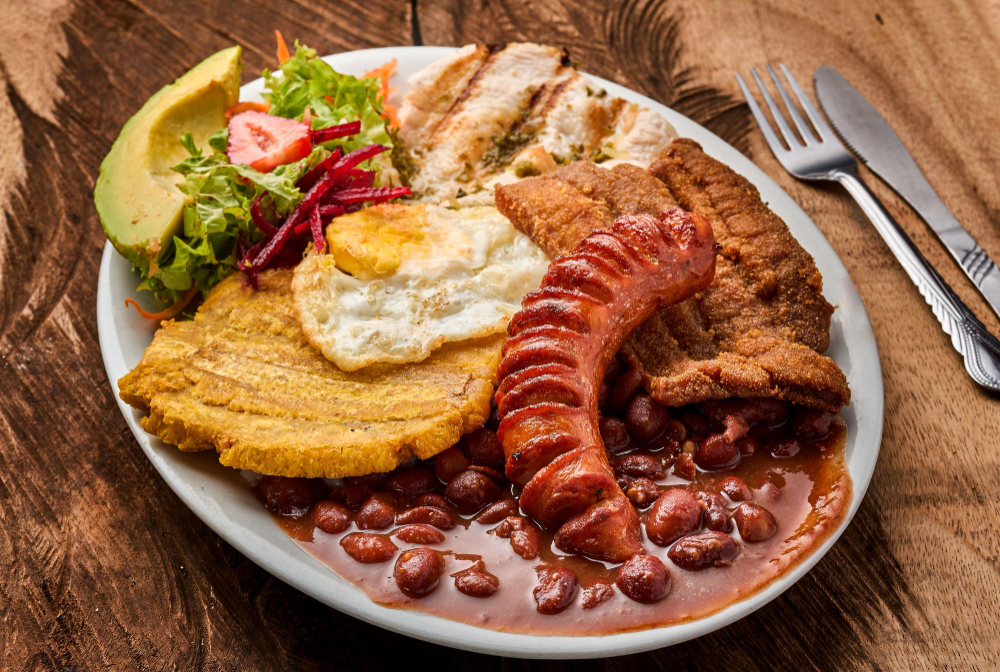
Bandeja Paisa
Perhaps no dish represents traditional Colombian food better than the famous Bandeja Paisa.
Originally from the Antioquia region, this generous meal was created to provide enough energy for farmers and rural workers during long days in the mountains.
A traditional Bandeja Paisa includes:
- White rice
- Red beans
- Ground beef
- Crispy pork belly (chicharrón)
- Fried egg
- Avocado
- Sweet plantain
- Arepa
- Colombian chorizo
Beyond its impressive size, Bandeja Paisa symbolizes the generosity and hospitality that characterize Antioquia’s culture.
Most travelers first discover this iconic meal while visiting Medellín or nearby destinations like Guatapé, where family-owned restaurants continue preparing traditional homemade versions.
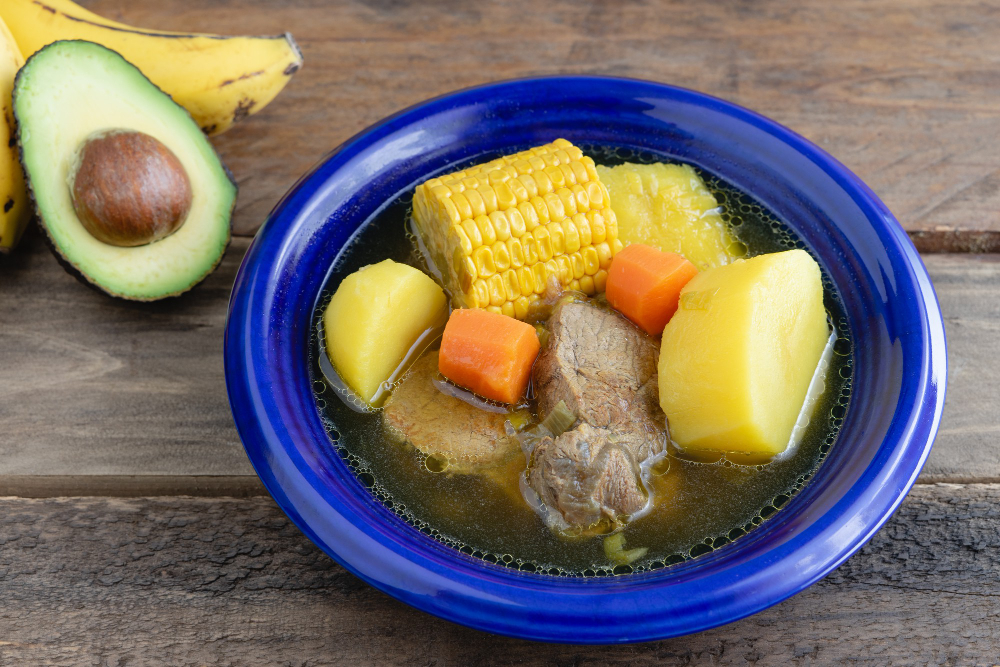
Sancocho
Sancocho is much more than soup—it’s one of Colombia’s strongest culinary traditions.
Prepared slowly over several hours, this comforting dish typically combines:
- Chicken, beef, or fish
- Cassava (yuca)
- Potatoes
- Plantains
- Corn on the cob
Every region has its own interpretation of sancocho, adapting local ingredients while preserving the same comforting spirit.
Across Colombia, families gather around large pots of sancocho during weekends, holidays, and celebrations, making it one of the country’s most beloved comfort foods.
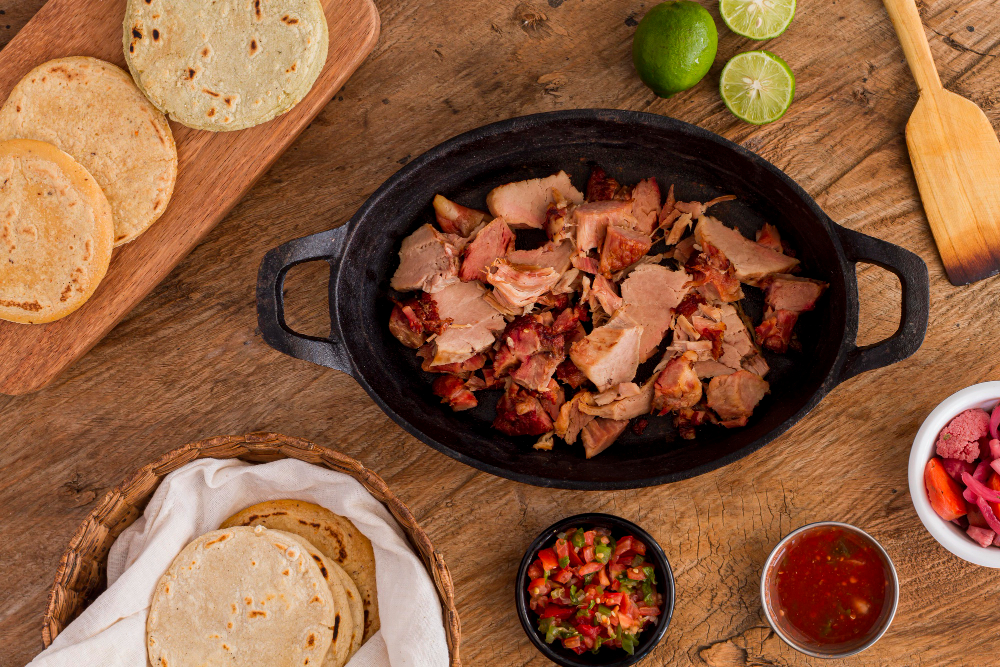
Lechona
Lechona is one of the signature dishes of central Colombia, particularly the Tolima region.
It consists of a whole roasted pig stuffed with seasoned rice, peas, spices, and pork, slowly cooked for several hours until the skin becomes perfectly crispy while the filling remains incredibly tender.
Preparing lechona is almost ceremonial and is often reserved for festivals, weddings, birthdays, and family celebrations.
Although originally regional, today it’s enjoyed throughout Colombia and has become a favorite among international visitors.
Ajiaco
Ajiaco is Bogotá’s most iconic comfort food.
This rich potato soup combines shredded chicken with three varieties of Colombian potatoes and a unique native herb called guascas, which gives the dish its unmistakable flavor.
It’s traditionally served alongside:
- Heavy cream
- Capers
- Avocado
- White rice
Because Bogotá enjoys cool temperatures year-round, Ajiaco has become the perfect meal after a day exploring the city.
Colombian Empanadas
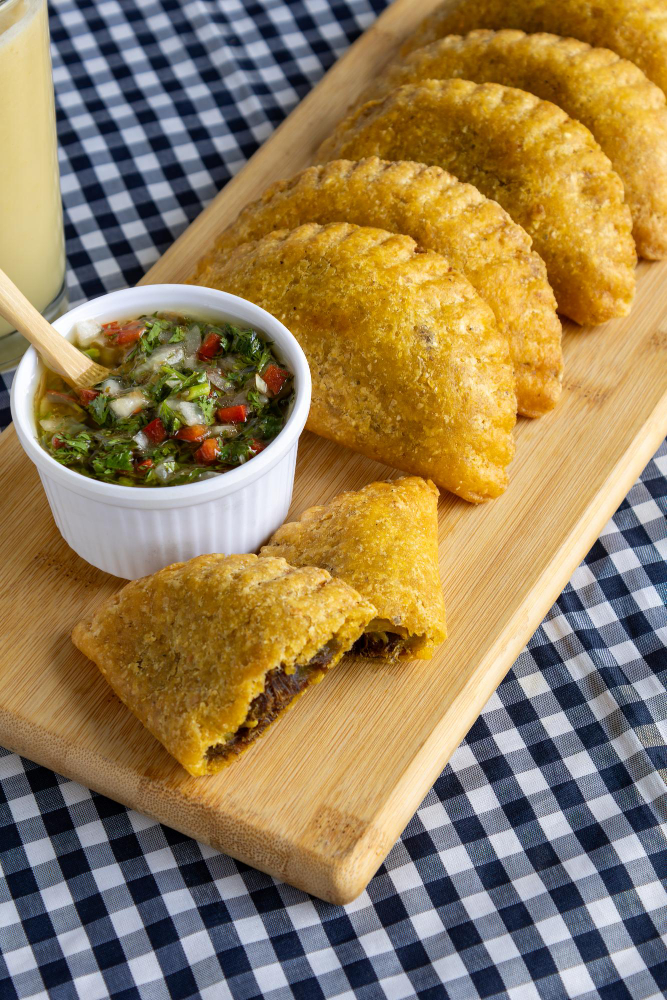
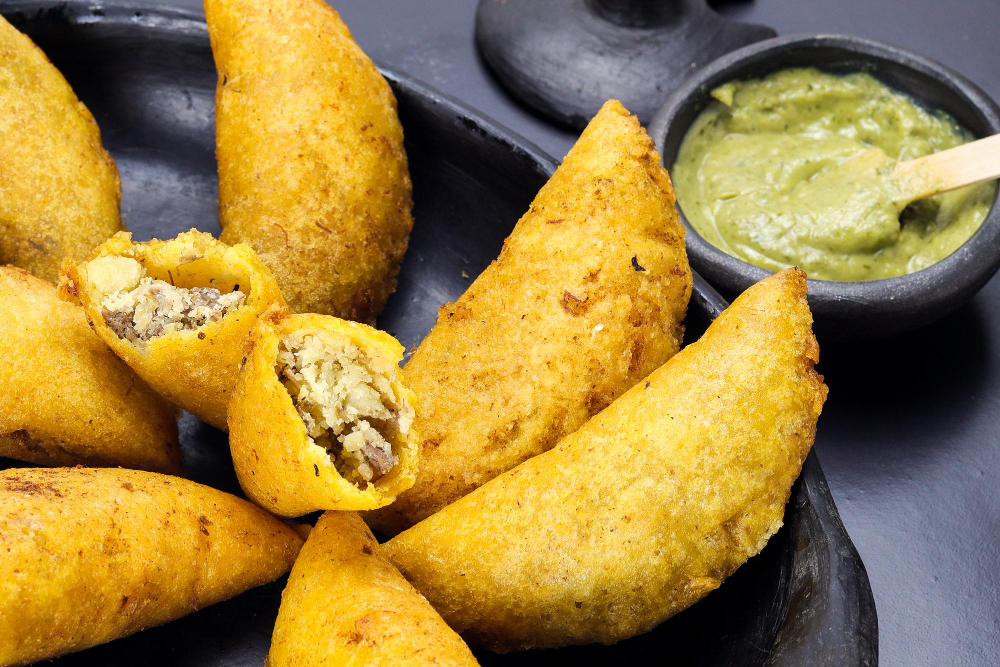
No guide to Colombian street food would be complete without empanadas.
Unlike empanadas found elsewhere in Latin America, Colombian empanadas are typically made with cornmeal dough and deep-fried until golden and crispy.
Popular fillings include:
- Beef
- Potato
- Chicken
- Cheese
They’re almost always served with Colombian ají—a fresh salsa made with cilantro, onions, peppers, and lime juice.
You’ll find empanadas everywhere, from local markets and bakeries to roadside stands and bus terminals.
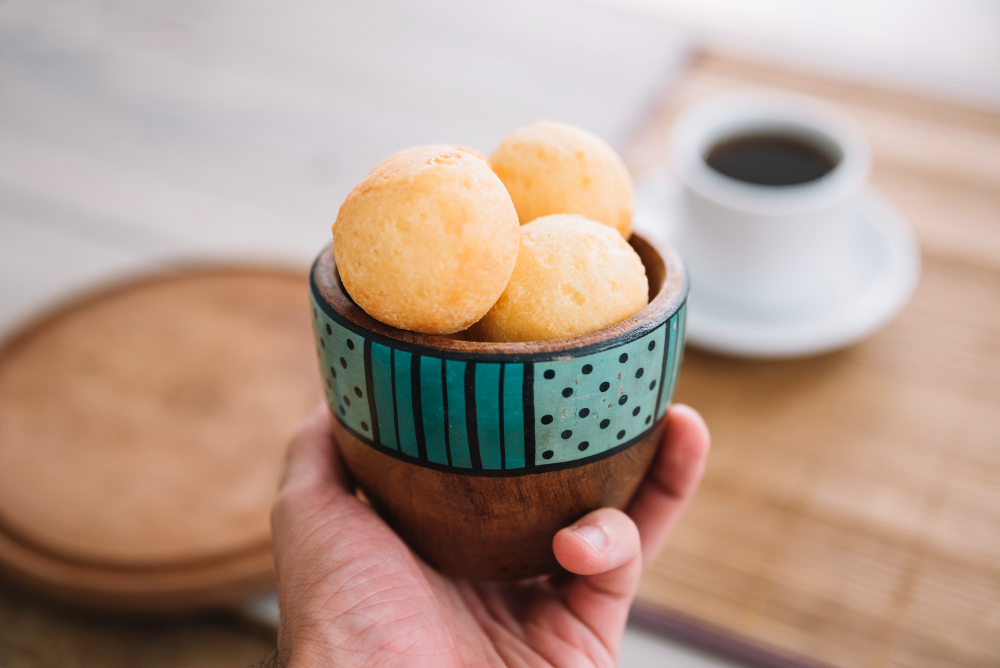
Colombian Buñuelos
Buñuelos are one of Colombia’s favorite baked treats.
These fluffy fried cheese balls are slightly salty, wonderfully soft inside, and crispy on the outside.
Although available throughout the year, they become especially popular during the Christmas season.
Locals often enjoy them alongside freshly brewed Colombian coffee or hot chocolate.
Stopping at a neighborhood bakery for warm buñuelos is one of the simplest—and most authentic—food experiences visitors can have.
Colombian Street Food You Shouldn’t Miss
Patacones
Patacones are one of the country’s favorite side dishes.
Made by flattening green plantains before frying them twice, they become crispy outside while remaining soft inside.
Depending on the region, they’re served plain or topped with:
- Cheese
- Shredded beef
- Hogao (Colombian tomato sauce)
- Guacamole
- Seafood
Patacones are especially popular along Colombia’s Caribbean coast.
Arepas
Few foods are more deeply connected to Colombian identity than the arepa.
Every region prepares its own version, including:
- Antioquian arepas
- Sweet corn arepas
- Boyacá arepas
- Cheese-filled arepas
Some accompany meals while others become complete breakfasts or snacks.
Their incredible variety perfectly reflects Colombia’s cultural diversity.
Fritanga
Fritanga is one of Colombia’s ultimate sharing platters.
Perfect for groups, it combines a variety of grilled and fried meats with traditional sides including:
- Blood sausage
- Chorizo
- Crispy pork belly
- Creole potatoes
- Cassava
- Arepas
More than a meal, fritanga is a social experience often enjoyed during weekends and family gatherings.
Colombian Desserts and Drinks
Lulada
Originating in Cali, Lulada is one of Colombia’s most refreshing beverages.
Made from the tropical lulo fruit mixed with lime, sugar, and crushed ice, it offers the perfect balance between sweet and tart flavors.
It’s especially popular during hot afternoons.
Obleas
Obleas are one of Colombia’s best-known street desserts.
Two thin wafers sandwich generous fillings traditionally made with dulce de leche (arequipe), although modern versions may also include:
- Cheese
- Blackberry jam
- Chocolate
- Coconut
- Sweetened condensed milk
You’ll find them throughout parks, plazas, and tourist areas across the country.
Tropical Fruit Juices
Thanks to Colombia’s extraordinary biodiversity, fresh fruit juices are available almost everywhere.
Among the most popular flavors are:
- Passion fruit
- Soursop
- Blackberry
- Mango
- Guava
- Tamarind
Many of these tropical fruits are difficult to find outside Latin America, making them a unique culinary experience for international visitors.
Tips for Enjoying Colombian Food
The best way to experience authentic Colombian cuisine is by combining well-known restaurants with local markets, family-owned eateries, and neighborhood cafés.
Markets are particularly rewarding because they showcase fresh ingredients, regional recipes, and everyday Colombian life.
Cities such as Medellín, Bogotá, and Cartagena offer incredible culinary experiences, while charming towns like Guatapé provide a slower, more intimate way to discover local flavors surrounded by nature.
Explore Regional Flavors
One of the biggest mistakes travelers make is only trying Colombia’s most famous dishes.
Each region offers unique specialties worth discovering.
We recommend:
- Trying local specialties in every destination
- Visiting traditional food markets
- Asking locals about regional recipes
- Sampling tropical fruits you’ve never seen before
- Combining big-city restaurants with countryside dining experiences
During your stay in Guatapé, places like Atma Villas complement the local culinary scene by offering dining experiences inspired by regional ingredients while allowing guests to enjoy spectacular reservoir views in a peaceful natural setting.
Final Thoughts
Colombian food is one of the most authentic ways to experience the country.
Every dish reflects centuries of history, cultural traditions, and regional diversity that transform every meal into a memorable experience.
From the iconic Bandeja Paisa and comforting Ajiaco to crispy empanadas, tropical fruit juices, and traditional desserts, Colombia offers flavors capable of surprising every traveler.
Beyond restaurants, exploring Colombian cuisine means discovering markets, family recipes, small villages, and traditions that reveal the country’s true identity.
That’s what makes traveling through Colombia so rewarding—not only visiting extraordinary places, but experiencing them through their flavors, their people, and their culture.